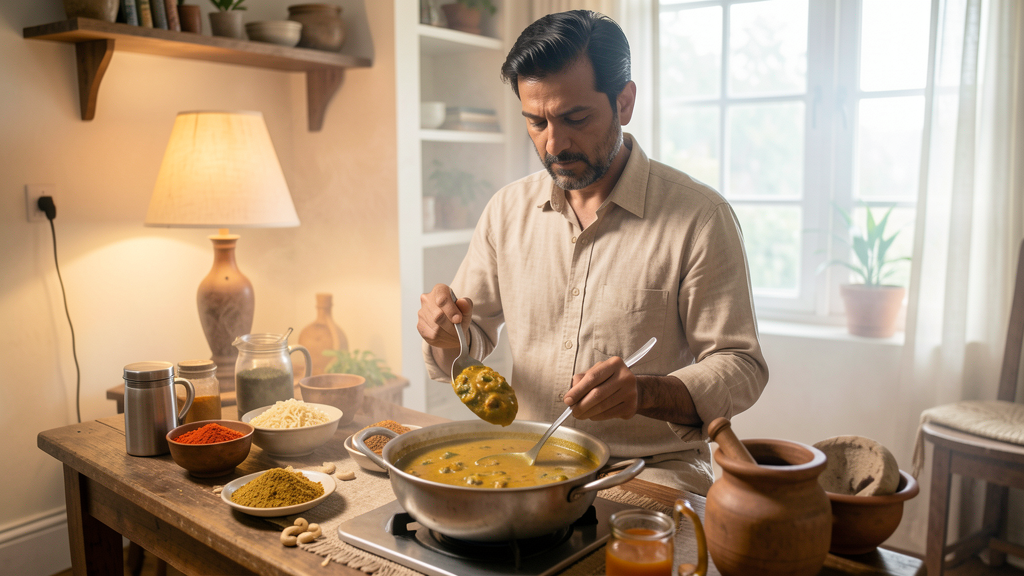
Curry Base Mastery
Myth: You Need Cashews to Thicken a Rich Gravy
Discover how onion reduction and yogurt techniques can replace expensive cashews to create velvety, rich gravies without breaking the bank or spiking fat content.
7 min read
 Practical guides to practical Indian cooking, spices and weekly curries
Stop your Sunday meal prep from turning into a grainy, separated mess by keeping these three texture-destroying ingredients out of the freezer.
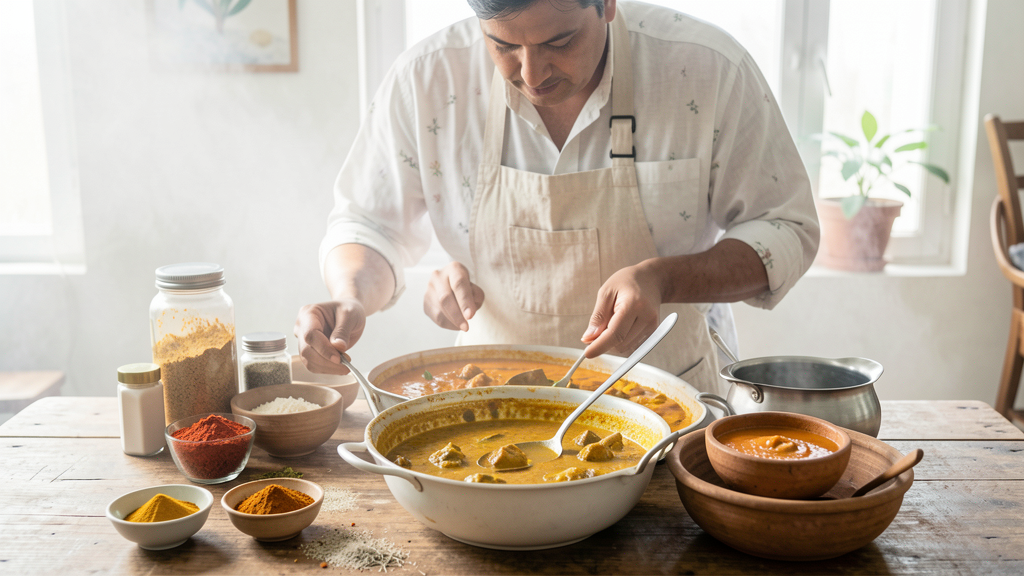
Editorial image illustrating The Texture Trap: 3 Ingredients That Ruin a Frozen Curry Base
There is a specific kind of heartbreak that happens on a Wednesday evening in 2026. You pull a container from the freezer, expecting the heady aroma of a slow-cooked Butter Chicken or a robust Chana Masala that you prepped with such enthusiasm on Sunday. You thaw it gently, perhaps reheat it with a splash of water, and you sit down to eat. Instead of the velvety, cohesive sauce you imagined, you are met with a watery, grainy disappointment. The texture is off, the fat has separated into unappetizing slicks, and the vegetables have turned into mush.
The issue likely was not your cooking technique. The betrayal happened in the freezer.
We have all fallen for the convenience of the "dump-and-freeze" method. You cook the entire dish, portion it out, and consider the job done. However, creating a curry base that survives the deep freeze requires a strict selection process. Not every ingredient respects the thaw. If you want to maintain that restaurant-quality consistency in your meal prep, you must identify and exile the three primary culprits that ruin a frozen curry base.
Potatoes are the cornerstone of comfort food. They provide bulk, absorb flavor, and offer a satisfying bite in dishes like Aloo Gobi or Dum Aloo. But inside the freezing chamber, the potato undergoes a cellular collapse that is nearly impossible to reverse.
Potatoes are comprised largely of water and starch granules held together by pectin, a type of soluble fiber. When you freeze a potato that has already been cooked, the water inside the cells expands as it turns to ice. These sharp ice crystals puncture the cell walls. Upon thawing, the structure that once held the potato together is effectively destroyed. You are left with a grainy, waterlogged texture that feels like eating wet chalk.
Furthermore, there is the issue of retrogradation. The starches in potatoes crystallize when frozen and then cooled. This not only alters the mouthfeel to a mealy consistency but also creates a strange, chalky aftertaste that clashes with the aromatic spices.
If you are preparing a base for a curry that traditionally features potatoes—like a Kerala-style stew or a classic Punjabi Aloo Tikki masala—do not add the potatoes during the batch cooking phase. Prepare your onion-tomato masala, your spices, and your oil, and freeze that liquid gold in a silicone bag. When you are ready to eat, simmer the base and add fresh, diced potatoes. They take only twenty minutes to cook in the sauce and will maintain their structural integrity perfectly.
There is nothing quite like the rich finish of heavy cream or the tang of yogurt in a Mughlai dish. However, dairy fats are notoriously unstable when subjected to freezing temperatures. The problem lies in the emulsion.
A good curry sauce is an emulsion, a mixture of two liquids that normally do not mix—water and fat. Spices and proteins act as emulsifiers, keeping the fat globules suspended in the water-based tomato and onion juices. Freezing disrupts this delicate balance. As the water in the sauce freezes, it pushes the fat globules together, forcing them to coalesce. When you thaw the curry, the emulsion has broken. Instead of a creamy, homogenous sauce, you will see a distinct layer of yellow oil floating on top of a watery, reddish broth.
Yogurt presents an even greater risk. The proteins in dairy tighten and squeeze out moisture when frozen, resulting in a curdled, grainy texture that looks like scrambled eggs ruined your dinner.
I recall an experiment I ran in my kitchen in early 2025 when I tried to freeze a batch of Shahi Korma. The cashew paste held up fine, but the double cream I stirred in at the end separated completely during the thaw, leaving a greasy film that coated the tongue in the most unpleasant way.
To achieve a rich, creamy texture that survives the freezer, you must rely on starches or nut pastes that do not separate. This is often where people reach for cashews, but they are not your only option. If you are looking for a lighter finish or need to manage costs, there are other excellent thickening agents that remain stable in sub-zero temperatures. I discuss the specifics of these alternatives in my breakdown of cashew substitutes for gravy. The goal is to freeze a concentrated, thick base and thin it out with a splash of cream or milk after you have reheated it, rather than before.
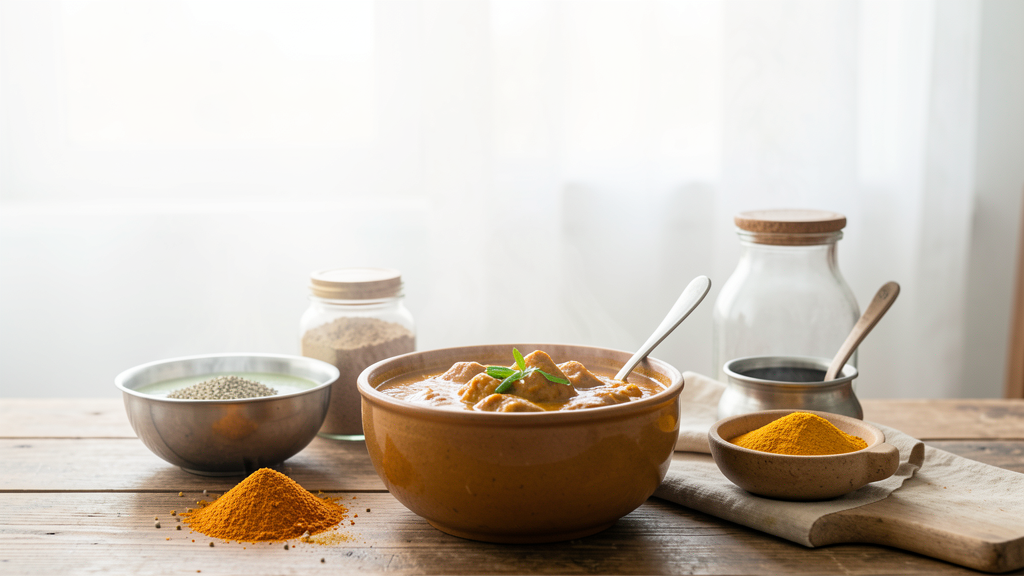
Fresh cilantro (coriander) and curry leaves are the bright, green beacons of hope in a bowl of deep brown curry. They provide a volatile, citrusy punch that cuts through the heavy spices. However, these delicate leaves are composed of fragile cell walls high in water content.
When you freeze a curry laden with chopped fresh herbs, the ice crystals inside the leaves rupture the cell membranes. Once thawed, these leaves release all their internal moisture into the sauce. You lose the structural integrity of the leaf and, worse, you lose the flavor. The bright, citrusy notes oxidize rapidly, turning into a dull, grassy, and sometimes metallic taste.
Visually, it is even less appealing. Frozen cilantro does not retain its vibrant green hue. It fades to a dark olive or black, looking like debris floating in your stew. It gives the entire dish an appearance of being old and tired, even if the base itself was perfectly cooked.
The solution is simple but requires discipline at the end of your cooking session. Finish your cooking, taste for salt, and turn off the heat. Package the curry for the freezer without the garnish. Keep a small pot of fresh herbs growing on your windowsill or buy a fresh bunch weekly. The difference between adding cilantro to a steaming hot bowl of fresh curry versus adding it to a reheated, frozen one is night and day. The heat of the food will wilt the fresh leaves just enough to release their oils without destroying their structure.
Since we are discussing the longevity of flavor and the integrity of your base, we must address the spices themselves. A frozen curry base is only as good as the spices that flavor it. If your spices are stale, oxidized, or losing their potency, freezing the sauce will essentially lock in that mediocrity.
The essential oils in spices—cumin, coriander, turmeric, and garam masala—are volatile. They evaporate when exposed to light, heat, and air. Many home cooks make the mistake of storing their spice racks directly above the stove or near the dishwasher. The ambient heat and steam from daily cooking accelerate the loss of flavor.
To ensure your frozen curry base tastes vibrant three months from now, store your whole spices and ground powders in airtight glass jars, away from direct sunlight and heat sources. Ideally, keep them in a cupboard or drawer that stays cool and dark. If you buy whole seeds and toast and grind them in small batches, you will find that the flavor survives the freezing process much better than pre-ground spices that have been sitting on a supermarket shelf for six months. This step preserves the terpenes and phenols that give your curry its aromatic kick, ensuring that when you finally open that container, the first whiff is as intoxicating as the day you made it.
The overarching theme here is not that you cannot freeze curry, but that you must change what you freeze. We need to shift our mindset from "freezing dinner" to "freezing foundation."
The most successful meal preppers treat the freezer as a pantry for flavor bases, not fully composed meals. Spend your Sunday afternoon creating massive batches of The Science of Browning Onions: Golden vs. Dark Brown Paste. This onion masala is the backbone of almost every North Indian curry. It contains water, oil, onions, tomatoes, and the core spices. All of these elements freeze exceptionally well.
By removing the potatoes, the cream, and the fresh herbs, you create a versatile canvas. When you get home from work in 2026, that frozen block of masala becomes anything you want. You can thaw it, add fresh potatoes and peas for an Aloo Matar, or reheat it with paneer and a finishing swirl of cream for a quick Paneer Butter Masala. You can even thaw a portion and scramble eggs into it for a spicy breakfast.
Mastering the exclusion of these three ingredients transforms your freezer from a graveyard of soggy leftovers into a gourmet arsenal. It requires a slight adjustment to your workflow—adding an extra ten minutes of cooking time on the day of consumption—but the reward is a texture and flavor profile that rivals your favorite takeout spot, without the delivery fee.

Discover how onion reduction and yogurt techniques can replace expensive cashews to create velvety, rich gravies without breaking the bank or spiking fat content.
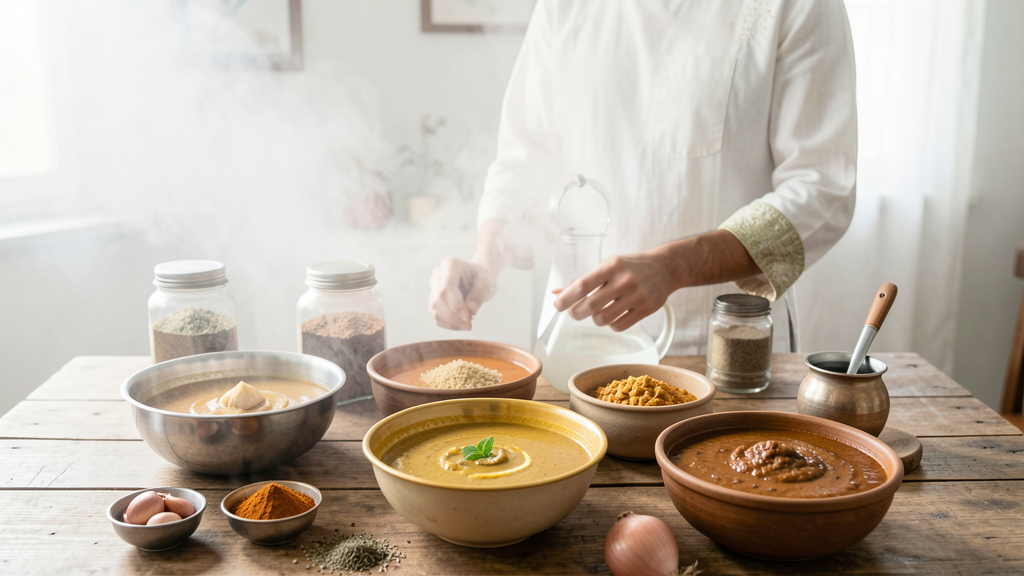
Stop skimping on the stove time; discover exactly how sugar caramelization at the dark brown stage creates the non-negotiable sweetness for authentic Mughlai gravies.