The Spice Pantry
The Chaos in Your Jar: Why Your Garam Masala Never Tastes the Same
Stop chasing the ghost of a perfect curry by understanding how spice ratios and grind sizes alter your garam masala's potency every single time.
7 min read
 Practical guides to practical Indian cooking, spices and weekly curries
Stop buying generic pre-ground mixes that have lost their potency; discover which five blends are draining your wallet and how buying whole components unlocks authentic flavor.
Editorial image illustrating 5 Store-Bought Spice Blends That Are Wasting Your Money
There is a specific kind of heartbreak that happens when you follow a recipe to the letter, buy the "premium" jar of spice blend from the gourmet aisle, and still end up with a curry that tastes like dusty cardboard. You look at the price tag—often triple the cost of basic ingredients—and wonder where the aroma went. The reality of 2026’s pantry economics is harsh: most commercial pre-ground blends are scientifically engineered for shelf life, not flavor potency. The essential oils that give cumin its earthy ping or cardamom its floral sweetness evaporate the moment the spice is ground. By the time that jar reaches your kitchen, you are mostly buying colored sawdust.
I have seen too many home cooks abandon Indian cooking because they blame their technique, when the culprit is actually sitting right there in the spice rack. It is not your heat control; it is the stale powder you paid too much for. To save your budget and rescue your palate, we need to dismantle the five biggest offenders sitting on supermarket shelves right now.
Garam masala translates to "hot spice mix," but the heat here refers to the intense warmth of aromatics, not chili capsicum. It is the finishing touch, the soul of a dish, meant to be sprinkled on at the very end to bloom under the residual heat. When you buy this pre-ground in a plastic tub, you are skipping the most critical part of the process: the blooming.
The problem lies in the composition. A good garam masala contains spices with high volatile oil content: green cardamom, cloves, cinnamon, and nutmeg. Once ground, the oils in cardamom and cloves oxidize within weeks. I recently tested a leading "organic" brand bought in January 2026 against a batch I toasted and ground myself. The store-bought jar smelled faintly of cinnamon and nothing else; the fresh mix filled the entire kitchen with a complex perfume that made my eyes water slightly. You are paying for the warmth of spices that have long since died.
Why Does Your Garam Masala Taste Different Every Time? is a question I get often, and the answer is usually the oxidation of these pre-ground blends. Instead of the blend, buy whole black peppercorns, cumin, coriander, cardamom pods, and a cinnamon stick. Toast them for thirty seconds and grind them in a coffee grinder. The difference is not marginal; it is the divide between a homemade meal and a takeaway favorite.
Chat masala is the wild child of the spice world, a chaotic and delicious mix intended to wake up your palate with sourness, salt, and a pungent hit of sulfur. The critical ingredients are dried mango powder (amchur) and black salt (kala namak). While cumin and coriander in the mix can survive a bit longer, the amchur is highly hygroscopic—it absorbs moisture from the air—and the sulfur compounds in black salt dissipate over time.
When you buy a large jar of pre-ground chat masala, the "zing" that makes it magical is usually the first thing to go. You end up with a salty, dusty powder that ruins your fruit salad or chaat rather than elevating it. Last summer, I watched a friend sprinkle a generous amount of a store-bought blend over fresh watermelon. Instead of that sweet-and-sour pop, it just tasted salty and gritty.
The waste here is twofold: you waste money on a blend that has lost its primary function (acidity and aroma), and you waste the fresh ingredients you put it on. A small jar of high-quality amchur and a separate tin of kala namak will cost you less initially and last years without losing their potency. Mix a pinch of each with roasted cumin powder as you need it. This ensures the tang is sharp and the sulfur kick is present every single time.
If there is one blend that relies on visual deception, it is Tandoori Masala. The hallmark of a good tandoori dish is that deep, rusty-red hue. Commercial manufacturers achieve this by loading their mixes with excessive red food dye and cheap paprika, rather than the traditional and more expensive kasoori methi (dried fenugreek leaves) and Kashmiri chili.
You might think you are buying a complex marinade, but you are mostly purchasing red dye number 4. I recall a disaster in my own kitchen years ago where I used a popular brand of tandoori paste. The chicken turned a violent, unnatural orange that stained my Tupperware for months, yet the flavor was one-dimensional—just salty and vaguely spicy. Real tandoori flavor comes from the yogurt marinade breaking down the proteins and the ginger-garlic paste working in tandem with specific aromatics.
Skip the red dye entirely. Buy Kashmiri chili powder for that vibrant color without the excessive heat, and keep a bag of asafoetida for the savory umami punch. You will get the visual appeal you want, but more importantly, the chicken will actually taste like something other than food coloring.
This is the grandfather of culinary confusions. "Curry powder" is a British invention, a catch-all term created to simplify the complex mosaic of Indian regional spice blends into a single yellow jar for the colonial market. There is no such thing as "curry powder" in a traditional Indian kitchen. There is sambar powder for the south, goda masala for Maharashtra, or panch phoron for Bengal. The generic yellow tin is usually a heavy dump of turmeric and coriander, with a token nod to fenugreek.
Using this powder is a waste because it muddies the flavor profile of whatever you are trying to cook. If you are making a Goa-style prawn curry, the heavy turmeric taste of generic curry powder fights with the coconut and kokum. If you are making a simple potato fry (aloo jeera), the extra coriander seed in the blend makes it taste muddy rather than fresh.
You are better off buying a large bag of turmeric powder (since it is the base of almost everything) and a bag of coriander powder. Then, buy cumin seeds. If a recipe calls for complexity, add the cumin seeds whole or roast and grind them. This simple trio—turmeric, coriander, and cumin—covers 80% of home cooking needs without the stale filler spices found in generic blends.
This category often includes "Biryani Masala" or "Korma Mix" in foil packets. While convenient, these are the most deceptive because they often list "natural flavors" or "anti-caking agents" as primary ingredients. The issue here is the ratio. Commercial mixes use a high volume of cheaper spices to bulk up the jar and only a trace amount of expensive ones like mace, star anise, or nutmeg.
When you try to replicate a rich Dum Biryani, the flavor profile falls flat because the delicate top notes are missing. You have the bulk heat and body, but none of the complexity. I remember trying a famous brand's "Shahi Biryani Mix" in 2025. The resulting rice was dark and strongly flavored, but it lacked that distinct perfume of saffron and star anise that defines the dish.
Furthermore, these mixes often assume you are using onions in a specific way. If you don't achieve the right browning on your onions, the spice mix cannot save the dish. You are paying for a chemical crutch that doesn't work if your base technique isn't perfect. It is far more economical to buy a small pouch of mace and some whole nutmeg. A tiny grate of nutmeg goes a long way, and it offers a freshness that no sealed foil packet can match six months after manufacturing.
I often hear the argument that buying individual spices is too expensive. The reality is the exact opposite when you look at the "cost per unit of flavor." A jar of pre-ground blend costs $6.00. If you use it three times and realize it tastes like nothing, you paid $2.00 per meal for stale dust. Conversely, a bag of whole cumin seeds might cost $4.00, but it will last you thirty meals, and every single one of those meals will punch with flavor.
The Day I Switched to Whole Spices and Saved R$ 40 a Month was a turning point for my grocery budget. I stopped buying the "fancy" blends and started buying in bulk from the spice bins. The initial investment in a small coffee grinder (dedicated only to spices) paid for itself within two months.
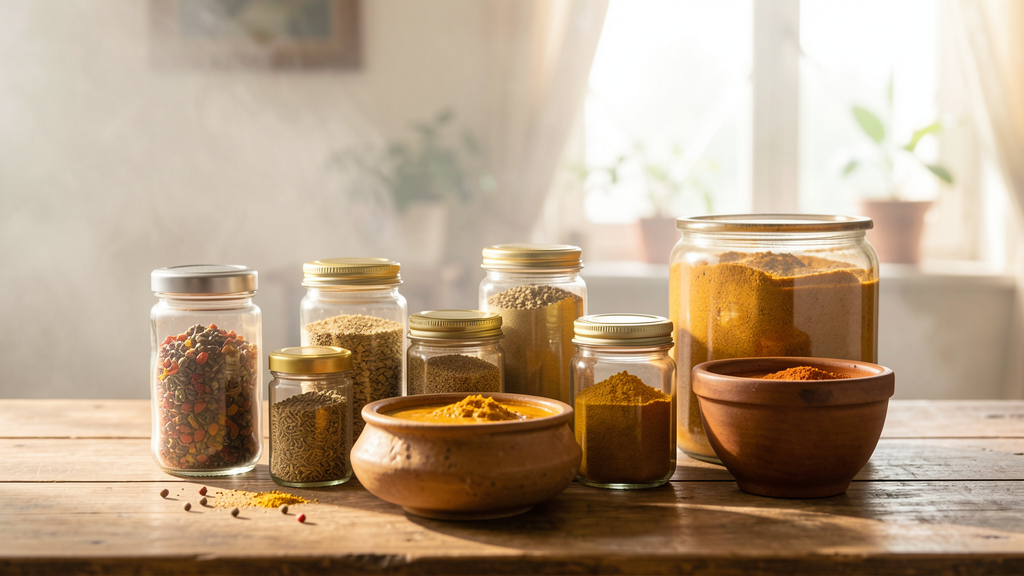
If you do decide to keep some pre-ground blends for absolute emergencies, or when you start grinding your own, you must protect the essential oils. These oils are volatile and flee when exposed to light, heat, and air. To preserve potency for at least six months, transfer your spices to airtight glass jars immediately after opening. Store them in a dark cupboard, away from the stove and the heat of the oven. Never shake your spices directly over a steaming pot; the steam introduces moisture into the jar, which creates mold and ruins the texture. Label your jars with the date of purchase. If that ground turmeric has been sitting there since last year, it belongs in the compost, not your curry.
Ditching these five blends does not mean more work; it means more control. When you buy individual components, you are the chef dictating the flavor profile, not a factory manager trying to average out the taste for a global market. You can adjust the heat, amp up the sourness, or sweeten the aromatics to suit your specific meal. The transition might feel daunting, but the first time you taste a dal tempered with fresh cumin seeds you toasted yourself, you will realize the commercial blends were holding you back all along. Your curries will taste brighter, fresher, and undeniably authentic, simply because you stopped paying for the air inside the jar.

Stop chasing the ghost of a perfect curry by understanding how spice ratios and grind sizes alter your garam masala's potency every single time.
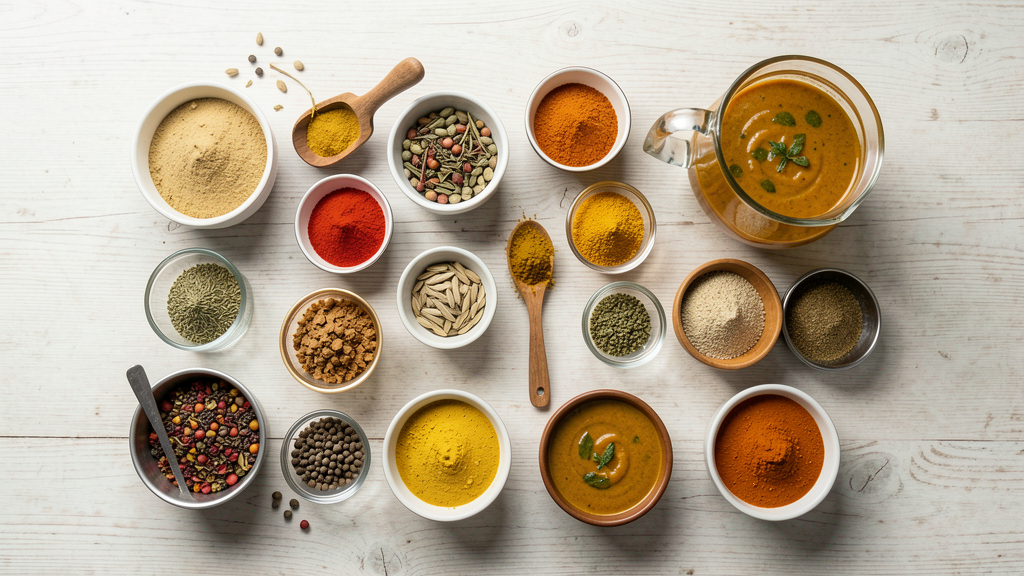
I stopped buying jars of pre-ground dust and discovered that buying whole spices actually lowered my monthly grocery bill by R$ 40 while improving my curries exponentially.