Practical Prep
Why Soak Tamarind in Warm Water Instead of Hot?
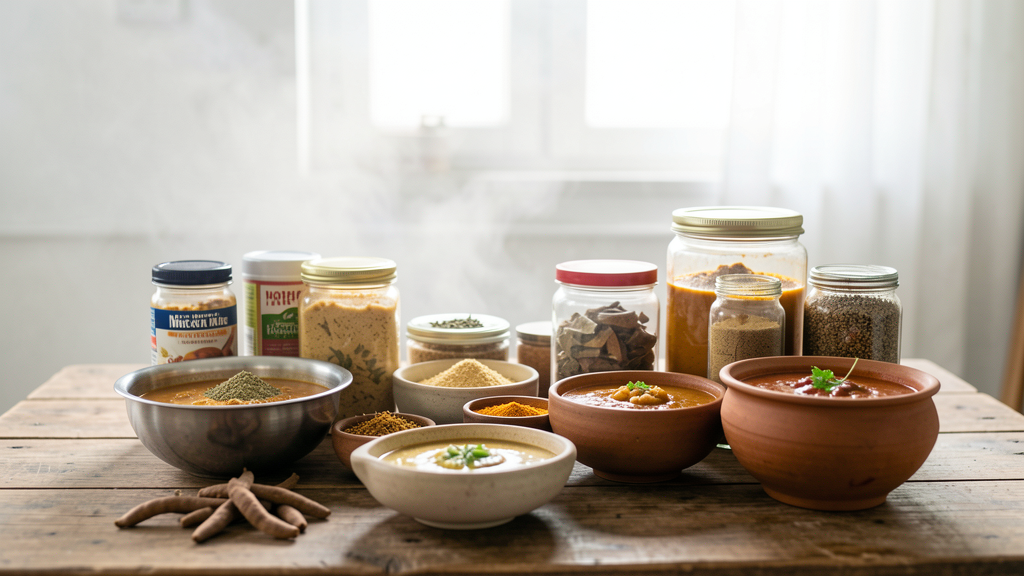
Unlocking the full sour potential of tamarind requires controlling the water temperature to relax fibers without prematurely cooking the fruit.
7 min read
 Practical guides to practical Indian cooking, spices and weekly curries
Author
Culinary Technique Director
Specializing in curry base mastery and dry vegetable preparation, Priyanka spent her teenage years in Goa studying regional variations of coconut and onion usage. She acts as a recipe tester focused on texture and color development, ensuring the final result is visually appealing and technically correct. Her work involves demystifying the onion caramelization process and the exact cooking point for vegetables. She aims to elevate home cooking through strict technical mastery of the base.
I prepare the standard recipe and a variation with reduced cooking time to define the technical failure point for the reader.
The consistency of the curry base must be described in sensory detail so the reader knows exactly when to add the liquid to prevent splitting.
Unlocking the full sour potential of tamarind requires controlling the water temperature to relax fibers without prematurely cooking the fruit.
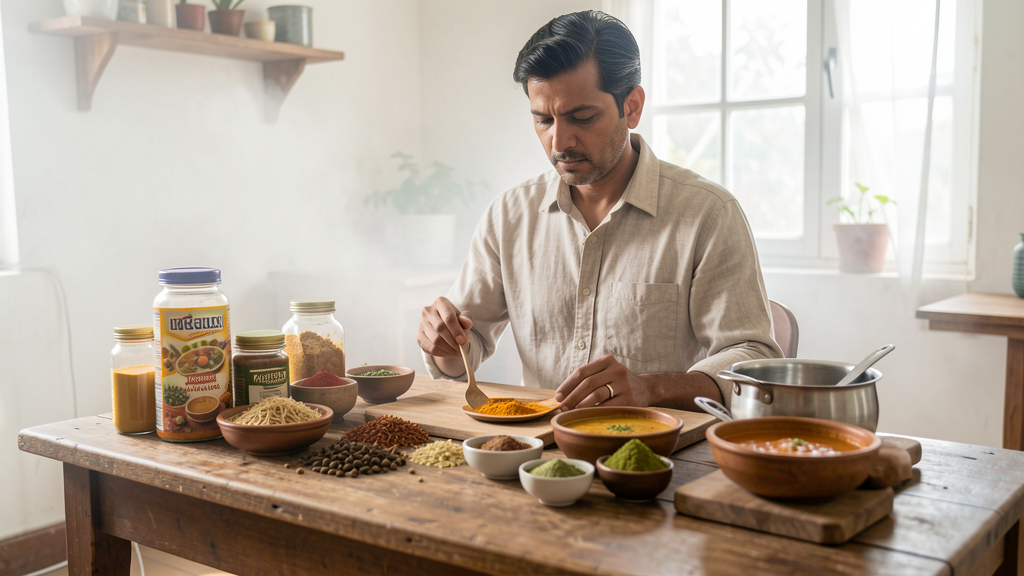
By shifting my most-used whole spices from a countertop drawer to a magnetic strip directly above my stove, I eliminated the frantic search that ruins curry timing and saved valuable active cooking minutes.
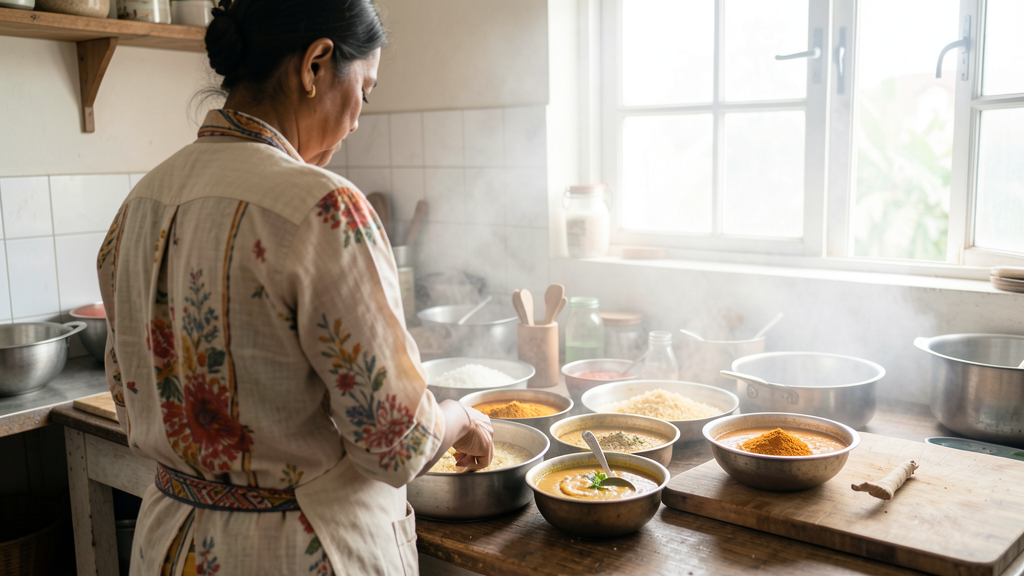
Ditch the universal washing rule and learn exactly when to retain starch for creamy, curry-thickening dishes and when to scrub for distinct grains.
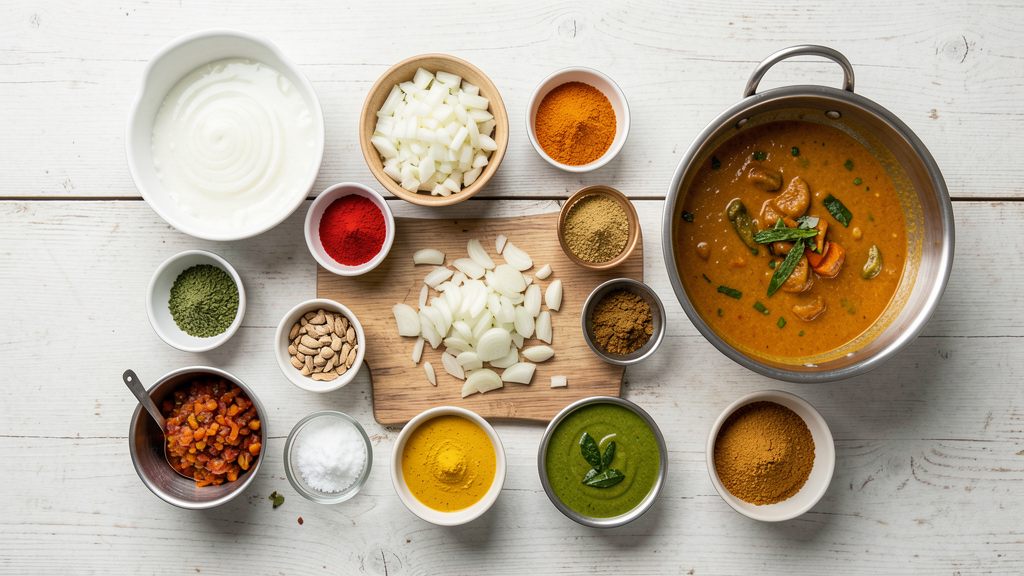
Master the refrigerator chill and sharp knife technique to process 5 kilos of curry onions in silence, keeping the lachrymatory agents locked firmly inside the cells.
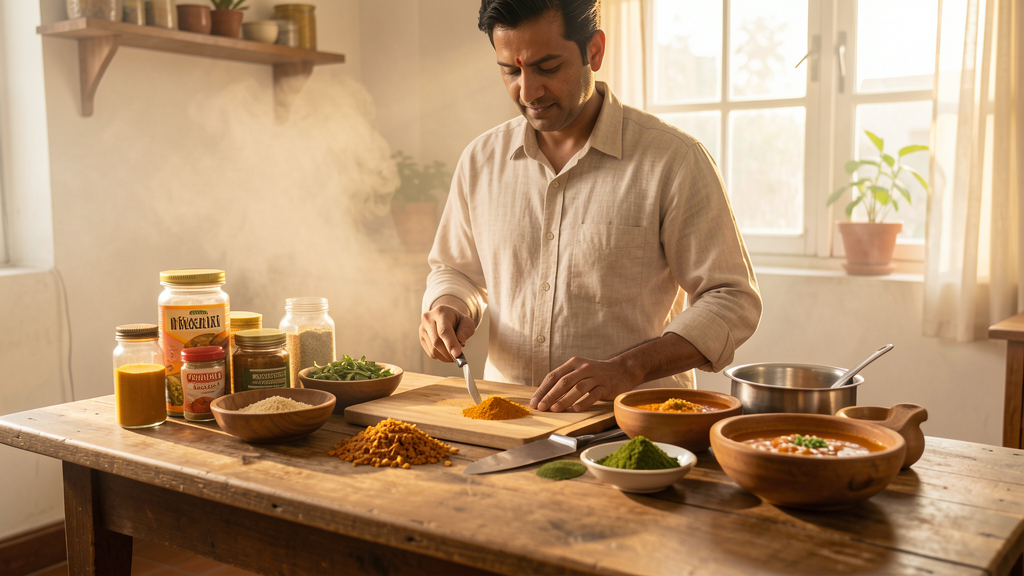
Stop wrestling with large Western chef's knives for delicate subzi prep; here are the five specific blade shapes that make chopping curry ingredients safe, fast, and precise.
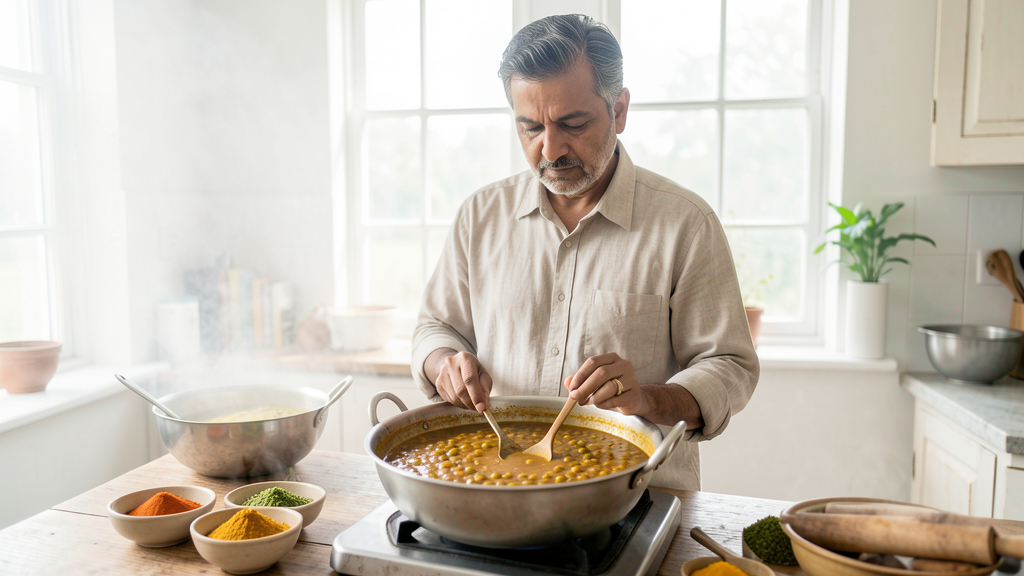
Stop serving bland beans despite hours of simmering; we analyze skin porosity and density to declare a winner for dry curry marination times.
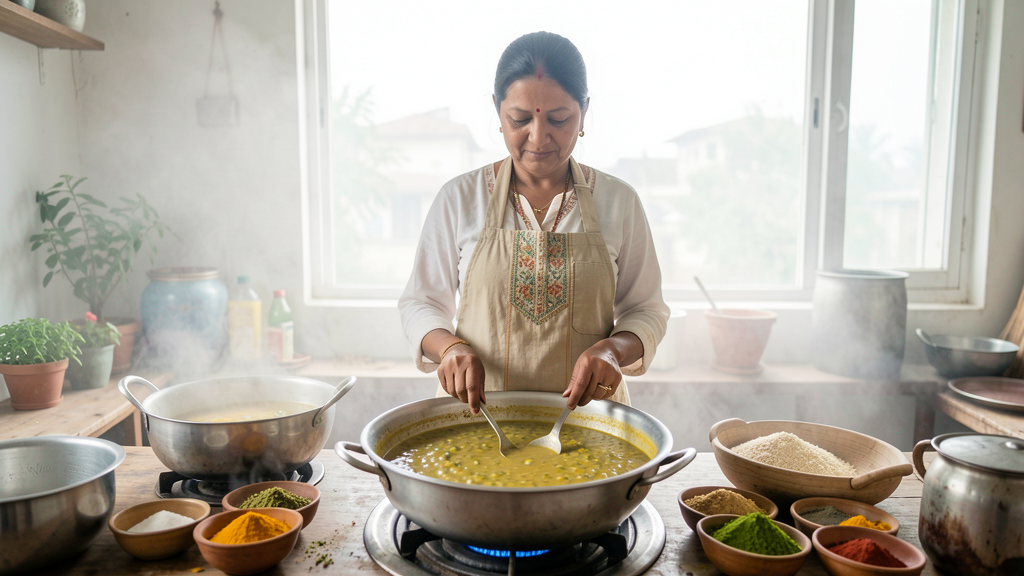
Stop fearing the salt shaker; seasoning your lentils early unlocks deep flavor penetration and a creamier texture without extending cooking times.
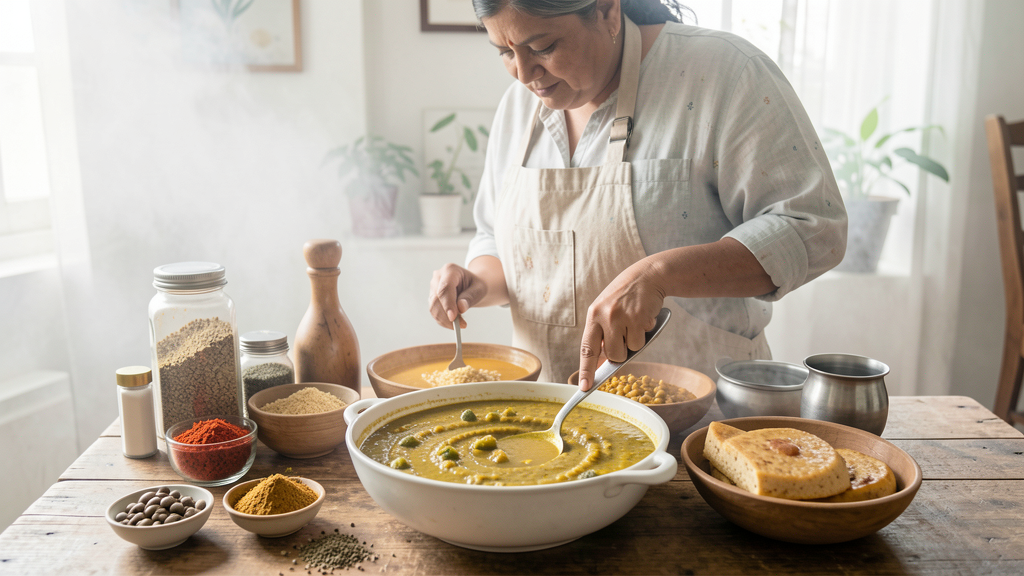
Learn the professional technique of extracting black pigment from urad dal skins to achieve a restaurant-quality mahogany finish without using food coloring.
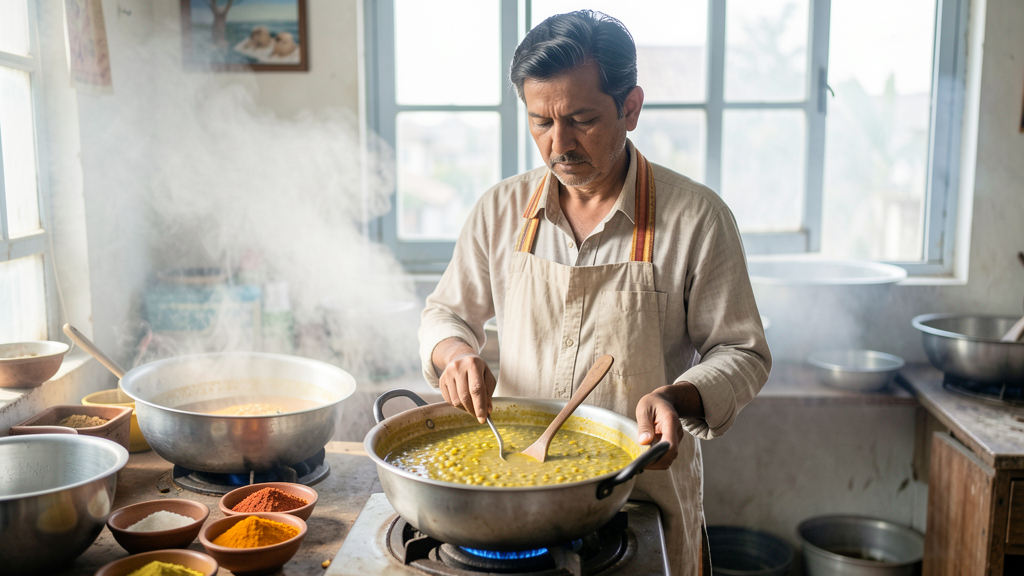
Stop relying on the bite test; learn to spot raw starch, lack of absorption, and gritty textures that ruin chana dal despite a soft exterior.
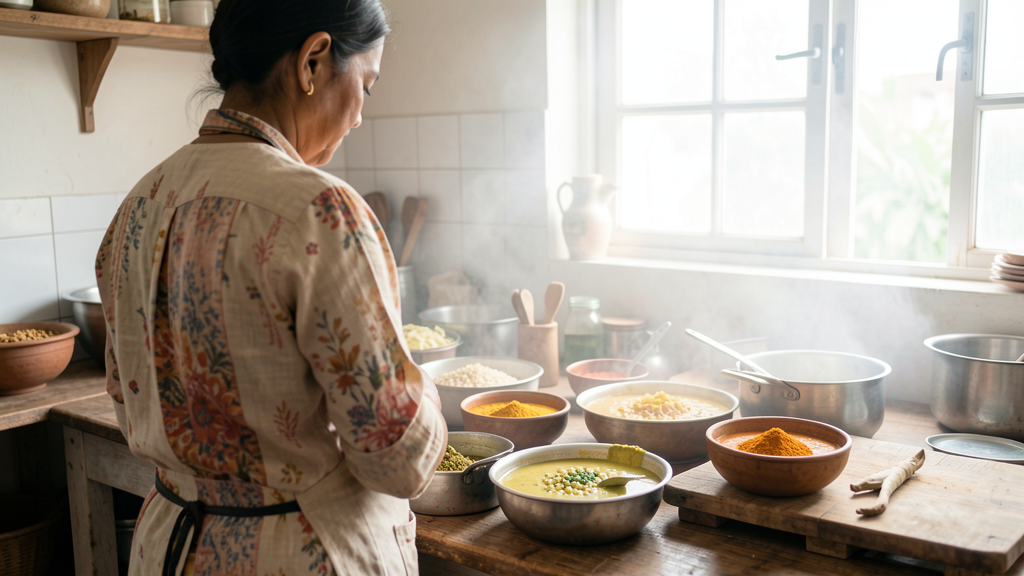
Soaking toor dal is not merely a time-saving hack; it is a critical chemical step that breaks down phytic acid to ensure a velvety, creamy consistency rather than a gritty one.